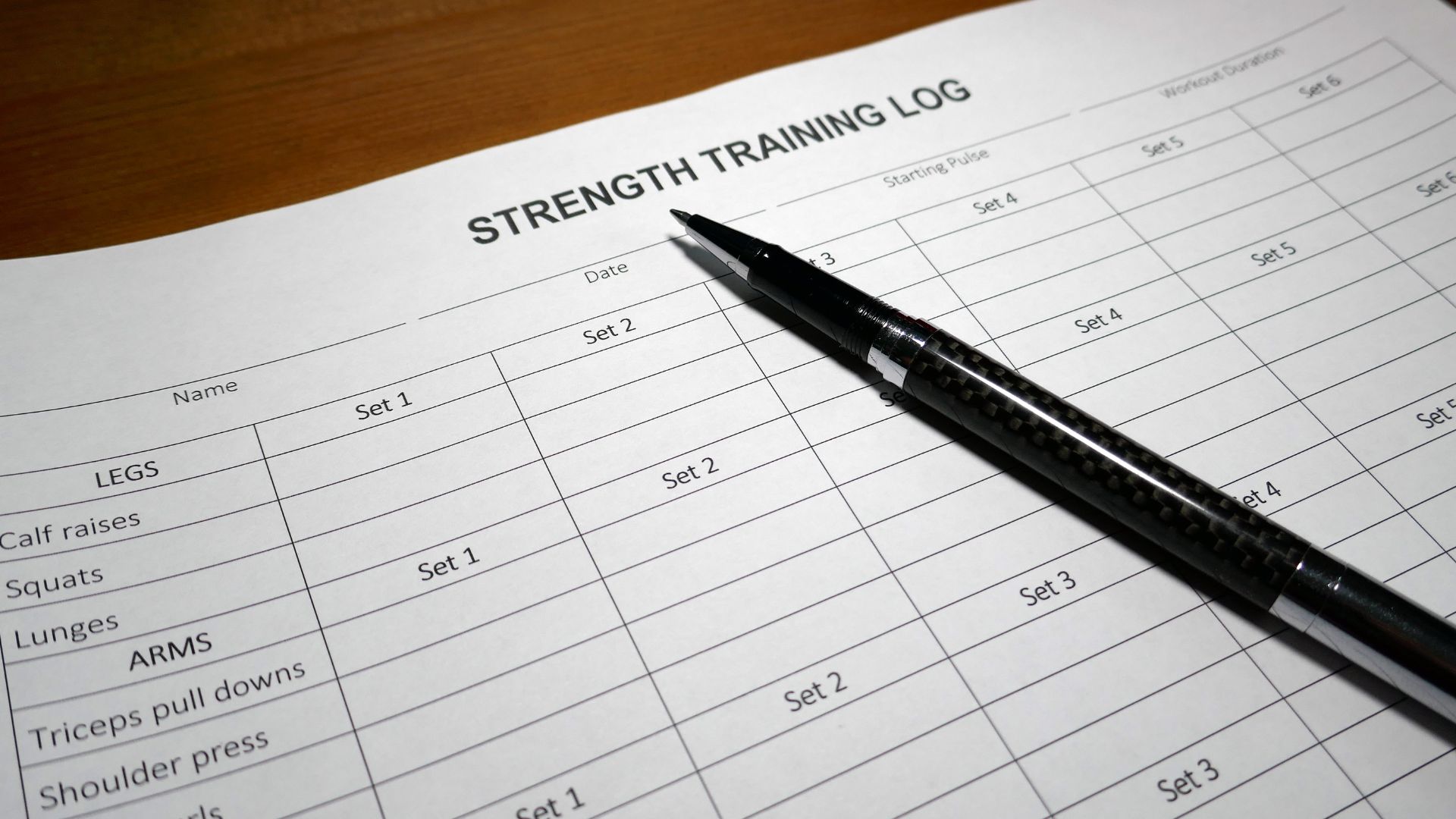
By the time most people reach this point, they’re clear on two things.
They know who they want to become.
And they’ve stopped trying to change through restriction alone.
But there’s still a problem.
They know what they want…
They just don’t know what to do next.
This is where most good intentions stall.
Not because of laziness.
Not because of lack of motivation.
But because the goal is still too far away from daily life.
That’s where structure matters.
Why Goals Alone Aren’t Enough
Most goals are outcome-based.
Lose weight.
Get fitter.
Feel more confident.
These goals provide direction, but they don’t provide instruction.
You can’t do an outcome.
You can only do actions.
Without a clear bridge between the two, goals stay abstract—and abstraction kills consistency.
The GPSA Framework
To turn goals into something usable, you need a simple structure.
One that moves from vision to behaviour without overwhelm.
That’s where GPSA comes in:
Goals → Practices → Skills → Actions
Think of it as zooming in—step by step—until the goal fits into your actual day.
1. Goals: Direction, Not Pressure
Goals answer one question:
“Where am I heading?”
They set intent and direction.
They are not meant to be executed.
A good goal is:
- Clear
- Meaningful
- Directional
But on its own, a goal doesn’t tell you what to do on a Monday morning when life gets busy.
That’s not a failure of the goal.
It’s just not its job.
2. Practices: The Repeated Behaviours
Practices answer:
“What behaviours would someone who’s achieved this goal repeat regularly?”
Practices are patterns, not tasks.
For example:
- Strength training
- Walking daily
- Eating balanced meals
- Prioritising sleep
- Managing stress intentionally
Practices move you closer to the goal, but they’re still too broad to act on consistently.
You don’t do “eat better.”
You do something more specific.
Which leads to the next layer.
3. Skills: What You Need to Learn or Build
Skills answer:
“What capabilities do I need to make these practices easier?”
This is the most overlooked step—and often the most important.
Skills might include:
- Planning simple meals
- Managing time realistically
- Training with good technique
- Regulating stress
- Navigating social situations
When people struggle to stay consistent, it’s often not a motivation issue.
It’s a skill gap.
Once skills improve, actions feel lighter.
Less forced.
More automatic.
4. Actions: What You Do Today
Actions answer the only question that really matters:
“What am I doing today?”
Actions are:
- Small
- Specific
- Repeatable
- Within your control
Examples:
- Train for 30 minutes, twice this week
- Walk for 10 minutes after lunch
- Prepare one protein-focused meal per day
- Go to bed 15 minutes earlier
If an action feels heavy, complicated, or easy to avoid—it’s too big.
Shrink it.
Structure isn’t about doing more.
It’s about making success easier to repeat.
Why Structure Reduces Overwhelm
When goals feel overwhelming, it’s usually because:
- Too many decisions are left open
- Expectations are unrealistic
- Actions aren’t clearly defined
Structure removes decision fatigue.
You’re no longer asking:
“What should I do today?”
You already know.
That clarity creates calm.
And calm is what allows consistency.
Measure Actions, Not Outcomes
Outcomes fluctuate.
Actions don’t.
If you want to stay motivated:
- Track what you do
- Not just what you get
Sessions completed.
Walks taken.
Meals prepared.
Bedtimes hit.
Outcomes will follow in their own time.
Structure Is Not Rigidity
Good structure supports life.
It doesn’t fight it.
If your plan requires:
- Perfect weeks
- Ideal conditions
- Constant willpower
It’s not structure.
It’s pressure.
The best structure is flexible, repeatable, and realistic.
It gives you something to return to—not something to rebel against.
The Takeaway
Goals give you direction.
Actions create change.
Structure is the bridge between the two.
When goals are broken down properly—into practices, skills, and small daily actions—progress stops feeling complicated.
You stop trying harder.
And start moving forward.
Quietly.
Consistently.
That’s how real change is built.