GLP-1 weight-loss drugs have changed the conversation around obesity.
What once felt slow, frustrating, and uncertain can now feel rapid, decisive, and — at least on the surface — highly effective. Appetite quietens. Weight drops. Health markers improve. For many people, these medications feel like a breakthrough.
But as their use becomes widespread, it’s worth asking a bigger question:
In trying to fix the obesity problem, are we setting ourselves up for a future frailty problem?
This isn’t a headline designed to provoke fear. It’s a question grounded in physiology, ageing, and long-term health outcomes — and one that becomes more important as millions of people begin using these drugs.
How Big Is This Shift? GLP-1 Drug Use in the UK
Weight-loss drugs are no longer a niche intervention.
Based on recent presentations from clinicians and researchers specialising in obesity pharmacotherapy, it’s estimated that around 3 million adults in the UK are currently using GLP-1 or related weight-loss medications. Of those, approximately 800,000 prescriptions are funded through the NHS, with the remainder accessed privately.
These figures aren’t yet fully reflected in national prescribing databases, but they align with frontline clinical experience and the rapid growth in demand. In other words, this isn’t a future scenario — it’s already happening.
When millions of people are exposed to the same intervention, the question isn’t just does it work now?
It becomes what does this look like in 10, 20, or 30 years?
Why Weight Loss Is Not the Same as Health
One of the biggest mistakes we make in public health — and personal health — is equating weight loss with overall wellbeing.
Yes, excess body fat is associated with increased health risk.
But weight alone tells us very little about function, strength, or resilience.
What matters far more is:
- how much lean mass you carry
- how strong you are
- how well you move
- how robust your metabolism remains over time
And this is where the frailty question enters the conversation.
The Overlooked Cost of Rapid Weight Loss on Muscle and Strength
Rapid weight loss — whether achieved through dieting, surgery, or medication — almost always includes loss of lean mass, not just fat.
GLP-1 weight loss drugs reduce appetite and calorie intake. They do not selectively target fat tissue. Without a strong stimulus to preserve muscle — such as resistance training and adequate protein — muscle loss is inevitable.
That matters because muscle is not just about aesthetics or strength:
- it supports metabolic rate
- it regulates glucose disposal
- it protects against falls and injury
- it underpins independence as we age
Losing muscle early in life makes it far harder to maintain function later on.
The Problem Isn’t Just Weight Loss — It’s Weight Regain
Here’s where the concern deepens.
The evidence consistently shows that when people stop GLP-1 medications, most regain a significant proportion of the weight they lost. But weight regain is not symmetrical.
- Fat is easier to regain than muscle
- Muscle requires training, nutrition, and recovery to rebuild
- Fat is biologically “efficient” storage
This means many people may end up:
- at a similar body weight to where they started
- but with less muscle and more fat
From a health perspective, that’s a worse outcome.
Over time, repeated cycles of loss and regain — especially when lean mass is not protected — shift people toward a frailer metabolic and physical state, even if their BMI looks “better” on paper.
What Do We Mean by Frailty?
Frailty isn’t just something that happens to very old people.
It’s a gradual loss of:
- strength
- reserve
- adaptability
Frailty increases the risk of:
- falls and fractures
- loss of independence
- metabolic dysfunction
- poor recovery from illness
And it’s strongly linked to low muscle mass and low strength, not body weight alone.
If weight-loss strategies reduce muscle early and fail to rebuild it later, the consequences don’t show up immediately — they show up years down the line.
Why This Matters at a Population Level
If a few thousand people were using these drugs, this would be a niche concern.
But when millions of adults are involved, small individual effects can become large population-level outcomes.
If even a modest proportion of long-term users:
- lose lean mass during weight loss
- regain weight primarily as fat
- fail to build strength and resilience
we may see:
- higher rates of sarcopenia
- earlier onset of functional decline
- increased healthcare burden related to falls, fractures, and dependency
That’s not an argument against weight-loss drugs.
It’s an argument against using them in isolation.
This Isn’t Anti-Medication — It’s Pro-Strategy
To be clear: this is not about rejecting GLP-1 weight loss drugs.
These medications can be genuinely life-changing for some people, particularly those with:
- significant metabolic risk
- long-standing obesity
- repeated failed attempts with other interventions
But no drug should be evaluated purely on how much weight it removes.
It must also be judged on:
- what it preserves
- what it builds
- what it leaves behind
A strategy that improves weight while eroding strength is not a long-term health solution.
What a Smarter Approach Looks Like
If GLP-1 weight loss drugs are going to be part of modern obesity care — and all signs suggest they are — then the framework around them must evolve.
A future-proof strategy should include:
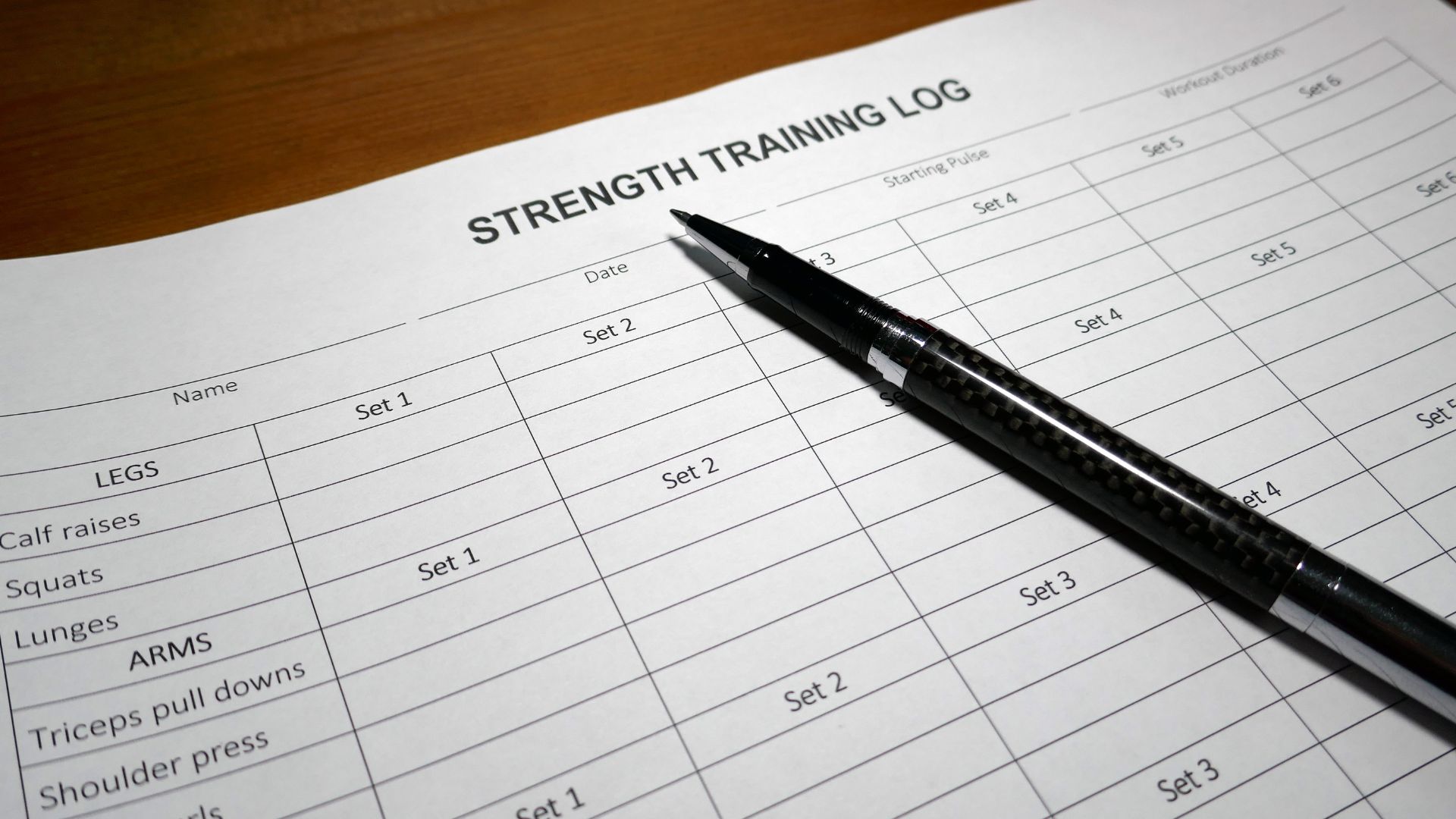
- Strength training as a non-negotiable, not an optional add-on
- Protein intake sufficient to support muscle retention
- Education around hunger and appetite, not just suppression
- Long-term planning, not just short-term weight targets
Weight loss should be viewed as one outcome — not the outcome.
The Question We Should Be Asking
So the real question isn’t:
Do GLP-1 weight-loss drugs work?
It’s:
What kind of bodies — and what kind of ageing population — are we creating by how we use them?
If we prioritise speed over strength, weight over function, and suppression over skill-building, we may solve one problem while quietly creating another.
But if we integrate these drugs into a broader strategy focused on resilience, muscle, movement, and long-term capability, they can be part of a genuinely positive shift in public health.
The Takeaway
Fixing obesity matters.
But health isn’t just about being lighter — it’s about being capable.
As weight-loss drugs become more common, the responsibility shifts from asking can we lose weight faster? to asking:
How do we lose weight without losing ourselves — our strength, our independence, and our long-term resilience?
That’s the conversation worth having now — before the consequences show up later.